What makes a player stand out in Tuscaloosa? It’s not just about their stats or if they’re on scholarship. It’s about becoming a part of Crimson Tide history.
Lawson Schaffer’s story is a perfect example. He started as a walk-on, mistaken for equipment staff. But his hard work and viral moments turned him into “Law Dagger.” His journey shows how big effort and heart can make a difference.
Even rival coaches like Ed Orgeron can become fan favorites here. It’s not just about their achievements. It’s about their stories and the excitement when fans chant their name before the game even starts.
We’re exploring what makes a player go from being just another player to a legend. This change is more than just numbers. It’s about the impact they have on the team and fans.
Unsung Heroes by Era
The stat sheets tell one story of Alabama greatness; the whispered legends in the stands tell another. While championships get bronzed and displayed, the most enduring memories often come from players who rarely saw the field but always captured our attention.
Let’s take a chronological journey through the shadows of Alabama football glory. Every era has produced its unique breed of cult heroes – those practice squad legends and bench players who developed followings that defied their stat lines.
The Bear Bryant era wasn’t just about the stars who dominated headlines. It was about the third-string quarterback who became a folk hero during blowout victories. The player whose sideline antics drew more cheers than some touchdowns. These were the characters who gave Alabama football its soul beyond the scoreboard.
In the post-Bryant years, as the program navigated transition, the cult heroes took on new significance. They became symbols of resilience – the walk-ons who embodied the “next man up” mentality before it became a cliché. Their stories circulated through dorm rooms and local bars, creating a parallel mythology to the official record books.
The Saban dynasty brought a new kind of background celebrity. In an era of relentless perfection, the practice squad players who pushed the starters became minor celebrities. Their names trended on campus social media. Their locker room moments became GIFs. They represented the unseen engine of the championship machine.
What makes these players resonate across generations? It’s the democratic nature of fandom itself. While stars belong to everyone, cult heroes feel like our discovery. They’re the inside jokes, the shared secrets, the players we claim before anyone else notices.
| Era | Hero Type | Why They Resonated | Lasting Impact |
|---|---|---|---|
| Bear Bryant (1958-1982) | Practice Squad Legends | Sideline personality during dominant years | Oral tradition stories |
| Post-Bryant (1983-2006) | Resilience Walk-ons | Symbols of program perseverance | Campus folklore |
| Saban Dynasty (2007-present) | Practice Push Players | Behind-the-scenes contributors to greatness | Social media fame |
These eras show how cult heroes evolve with their times yet serve the same fundamental purpose. They remind us that football isn’t just about championships – it’s about characters, stories, and the shared experience of discovering greatness in unexpected places.
Greatest Fan Interactions
What makes a player a cult hero? It’s not just about the wins or stats. It’s the moments when athletes show us our own dreams.
Lawson Schaffer, a walk-on, became a campus legend. His magic wasn’t in playing time but in being approachable. When a student said “You’re my hero,” it wasn’t about football. It was about believing in the impossible.
A mother asked Schaffer for his “secret” to making the team. Her question showed why these underdog stories touch us. People want real proof that anyone can achieve greatness.
Even rival coaches get caught up in this. Ed Orgeron’s viral moments with Alabama fans show the power of charm. His awkward yet endearing nature made him a temporary Crimson Tide member. Why? Because being real is what fans value most.
These moments follow a pattern:
- The approach (usually by the fan)
- The genuine reaction (no scripted answers)
- The lasting impression (becomes a fan story)
It’s not about getting autographs. It’s about being real. When a player connects with a fan’s dream or struggle, they become more than athletes. They become symbols of hope.
The beauty of these moments is in their balance. The player gets a boost, the fan gets a story. Both leave feeling like they’ve won something more valuable than a game.
This is where sports meet sociology. These moments create underdog stories that last longer than games. They become part of Alabama football’s shared mythology, a story in cleats.
Social Media’s Influence
Remember when becoming a campus legend meant ESPN highlights or a game-winning touchdown? Those days are over. Social media has changed the game for Alabama fan favorites.
Now, a four-second dance clip at Tide Tipoff can make a walk-on famous before he scores his first points. The digital age turns people into stars overnight through viral videos.
Lawson Schaffer’s story shows this new reality. His viral dance video spread like wildfire. Suddenly, everyone knew the walk-on who could dance. Even his smart Instagram purge of Auburn visits showed his social media smarts.
Then there are the Coach O moments. Ed Orgeron’s post-game talks became classics. Fans shared them online in minutes. These clips made lasting memories without traditional media.
What makes these moments stick?
- Authenticity wins: Raw, unpolished content feels more genuine
- Shareability rules: Quick clips travel faster than long highlights
- Personality matters: Fans connect with players behind the helmet
The question isn’t whether you can play – it’s whether you can trend. Social media has made fame in college sports more accessible. It lets fans find their own heroes, not just the ones on the starting lineup.
This new dynamic creates deeper connections. When fans share these moments, they become part of the story. They’re not just watching legends emerge – they’re helping create them.
Modern fan culture thrives on these digital discoveries. They become inside jokes, shared experiences, and lasting memories. All born from a phone screen and the right moment.
Why They Matter to Fans
What’s the real deal between these unlikely icons and their fans? It’s not about winning or fame. It’s about the real, unfiltered humanity that sports often hides.
When Schaffer’s mom talks about people mentioning her son years later, she’s talking about something special. It’s a genuine connection that goes beyond the usual fan-athlete relationship. It becomes a personal story for both sides.
Psychologists might say it’s projection. I think it’s a beautiful illusion where we see our own stories in these cult heroes. A ninth-grader watching Schaffer sees more than a basketball player. They see proof that anyone can have a moment of greatness.
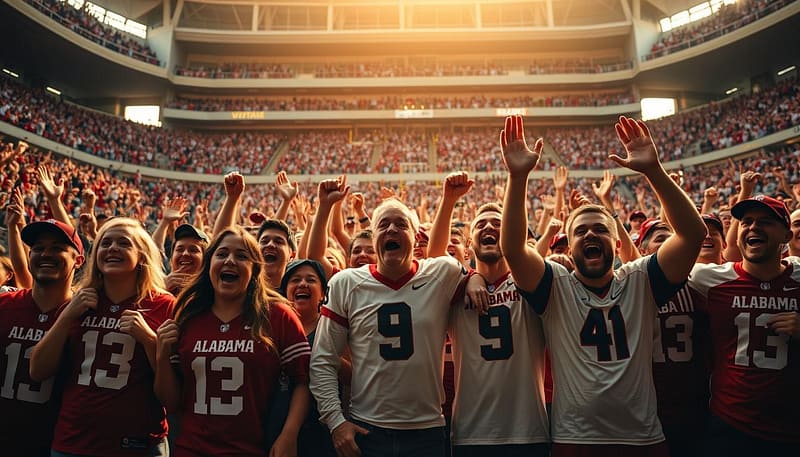
The irony is that we celebrate their underdog status while secretly hoping they’ll become more. It’s like rooting for an indie band that “nobody gets yet.” But when everyone starts to notice, the magic fades.
Alabama fans loved Coach O, even with the rivalry. His realness stood out in a world of fake PR. His emotional honesty was like finding water in the desert.
These cult heroes matter because they show us something rare: real moments. They’re the human errors in the perfect sports world. Their value isn’t in what they achieve, but in what they stand for—the chance for the underdog to shine.
This phenomenon isn’t just for sports. As seen in why you should embrace your inner fan, it taps into our need for stories and connection.
The most interesting thing? These players often become more loved than the stars themselves. We don’t just cheer for them; we see ourselves in them. Their struggles and wins feel like our own.
In the end, cult heroes teach us to celebrate imperfection. They show us that sports are about the messy, beautiful human experience of trying.
Top 10 List
It’s time to end the debates and crown the legends. Welcome to Alabama’s ultimate cult hero countdown. Here, underdog stories get the red carpet they deserve.
Forget about Heisman winners and first-round picks. This list is for the walk-ons who became legends. It’s for the backups who gained mythic status. And for the figures who captured our hearts through pure cultural resonance.
Our ranking criteria? Historical context (30%), cultural impact (40%), and that special je ne sais quoi (30%). This separates mere players from eternal fan favorites. Let’s dive in.
- Mike McCoy (Basketball, 2009-2013)
The walk-on who became March’s darling. McCoy’s story isn’t about points per game. It’s about becoming the human embodiment of “why not us?” energy during Alabama’s 2012 tournament run. - Blake Sims (Football, 2010-2014)
From defensive back to championship quarterback. Sims’ 2014 season was a masterclass in narrative payoff. It’s the ultimate “trust the process” story that gives us chills. - Anthony Steen (Football, 2009-2013)
The offensive lineman who became folk hero. Steen’s blue-collar mentality and “first in, last out” work ethic made him the people’s champion during Saban’s early dynasty years. - Levi Wallace (Football, 2013-2017)
Walk-on to NFL starter. Wallace’s journey from practice squad to lockdown corner is the stuff of Disney movies. Except it happened in Tuscaloosa. - Jake Coker (Football, 2015)
The transfer who delivered a natty. Coker’s one-season wonder story proves sometimes the perfect fit arrives fashionably late to the party. - Rashad Johnson (Football, 2005-2008)
From walk-on to All-American. Johnson’s rise from special teams to defensive captain remains the gold standard for underdog stories in the Saban era. - Mykal Riley (Basketball, 2006-2008)
The shot heard ’round the SEC. Riley’s game-tying three against Mississippi State in 2008 wasn’t just a basket. It was cinematic perfection. - Barrett Jones (Football, 2008-2012)
The academic All-American who played like a mad scientist. Jones’ versatility across offensive line positions felt like watching a chess grandmaster play three games simultaneously. - Jalyn Armour-Davis (Football, 2018-2021)
The hometown kid who waited his turn. Armour-Davis’ journey from Mobile to national champion embodies the “trust the process” mentality better than any corporate seminar ever could. - Deontay Wilder (Basketball, 2006-2008)
Yes, that Deontay Wilder. Before boxing glory, his brief basketball career gave us the ultimate “what if” scenario. And the best crossover athlete story in Alabama history.
Notice any patterns? These aren’t just players – they’re vibes. Cultural touchstones. Living proof that sometimes the most memorable careers aren’t measured in touchdowns or points. But in moments that become part of campus folklore.
Who did we miss? That’s the beauty of cult heroes – every fan has their personal favorite. Because if you don’t have at least one obscure player you irrationally love, are you even really an Alabama fan?
Conclusion
Alabama fan favorites are more than just players. They are stories that touch our hearts. These stories show the true spirit of a team, beyond just winning.
These athletes become legends through their grit, personality, and connection with fans. Think of players like Shaun Alexander or Coach O’s charm. They show that character is as important as winning championships.
In today’s sports world, these figures keep the game real. They remind us why we love college football. It’s not just about the biggest deals. Sometimes, it’s about the biggest emotional moments.
Alabama fan favorites become a part of us. They are deeply ingrained in our culture. They prove that the most lasting legacies are the most genuine.