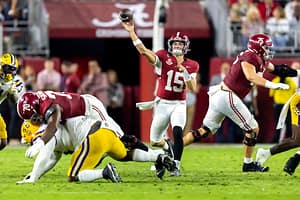
In the late 1960s, America was all about cultural changes. But Alabama took a unique route. On August 14, 1967, they passed Legislative Act 225. This law aimed to create a permanent home for Alabama’s sports heroes.
The team behind this wasn’t politicians. It was sports writers and fans like Zipp Newman and Holt Rast. They were like the Avengers, working to honor Alabama’s sports history in a lasting way.
The first class of inductees was announced on February 7, 1969. Eight legends, including Bear Bryant and Joe Louis, were honored. This marked the beginning of a legacy that would be remembered for years to come.
It took over 20 years to build a proper museum. In 1992, a massive three-story museum opened in Birmingham. It wasn’t just a place to store memorabilia. It was a symbol of Alabama’s athletic pride.
The journey from a simple law to a grand museum is inspiring. It shows how Alabama’s sports history went from being local to a must-see destination. What started as a government plan became a shrine for sports legends.
Selection Criteria
The Alabama Hall of Fame selection is like digging through the state’s sports history. It looks for lasting impact, not just yesterday’s news. So, how does someone become a legend? It’s a mix of community input and expert judgment.
It starts with a nomination from any Alabama citizen. This isn’t a secret committee. It’s open to everyone. Imagine a player or a town supporting a hero from the past. This step shows the state’s shared memories.
The rules for getting in are simple. There are two ways to be honored:
- The Native Son/Daughter: Born in Alabama.
- The Adopted Icon: Not born here but made a big impact and brought glory to the state.
This system honors both those born here and those who made a big impact. It’s like celebrating a local star and a coach who changed a team.
After nominations, the Board of Directors takes over. They carefully choose who truly deserves to be in the Hall. They’re not picking favorites; they’re keeping the Hall’s reputation high.
They decide on a class of six to eight new members each year. They must include at least two athletes from before the modern era. This rule keeps the Hall balanced, honoring both old and new stars. It’s a way to remember the early days of Alabama’s sports history.
Is it perfect? No human system is. But its design—open nominations, clear rules, expert choices, and a historical focus—makes it strong. It ensures the Hall is about lasting impact, not just fame. The result is a list that feels both right and thoughtful, a true hall of fame.
All-Time Great Inductees
The Alabama Sports Hall of Fame’s list is truly impressive. It’s like comparing the Grand Canyon to a small ditch. Over 300 names have made a huge impact, not just winning games. They’ve changed the world of sports.
The first class in 1969 was ambitious. Joe Louis, the Brown Bomber, and Paul “Bear” Bryant are just a few names. Don Hutson even created the modern wide receiver role. They started a legacy that continues to this day.
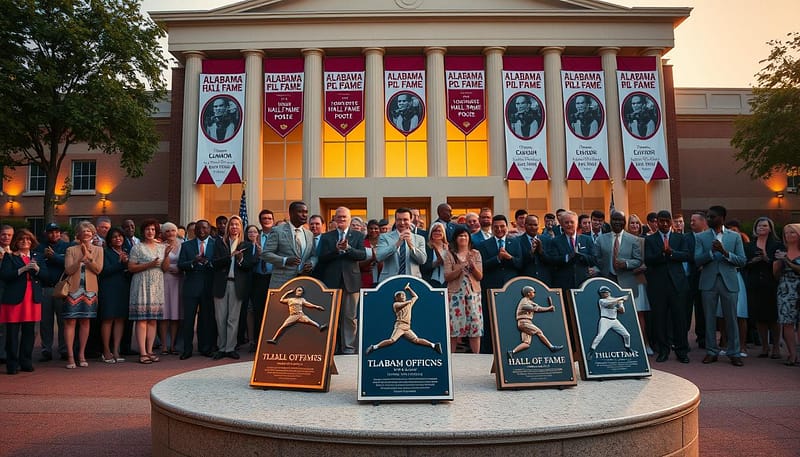
These inductees have redefined what’s possible for humans. Jesse Owens showed the world his speed and grace in Berlin. Hank Aaron chased Babe Ruth’s record with determination. Willie Mays made the impossible seem easy.
Five of these legends made ESPN’s top 15 athletes of the 20th century. This shows Alabama’s huge impact on sports. It makes us wonder what else this state could achieve.
The list includes everyone from Carl Lewis to Ralph “Shug” Jordan. It’s filled with baseball stars and coaches like Chase Riddle. Each name adds a new chapter to the story of greatness.
This collection turns Alabama into the birthplace of athletic legends. The Hall honors these individuals and proves a point. It shows that Alabama has a special power to create game-changers.
Notable Induction Ceremonies
The Hall’s annual banquet is its most sacred day. It’s not just a museum event. It’s like Alabama’s Oscars, filled with heartfelt speeches and fewer awkward songs. This celebration brings sports history to life.
Every year, six to eight new members join this exclusive club. They include athletes from before modern times. This keeps the legacy alive from past to present.

The “Distinguished Sportsman” award makes the ceremony special. It’s given to famous figures like President George H. W. Bush and comedian Bob Hope. This award shows that sports spirit connects with power, fame, and service.
This award ties sports history to a bigger story. It shows that the values of sports—like perseverance and leadership—are important everywhere. The banquet is more than a dinner; it’s a moment of recognition.
The sound of glasses clinking is like history being celebrated. It seals legacies in both records and community memory. It connects today’s fans to the state’s athletic legacy in a powerful way.
This ceremony is the heart of sports history. It weaves individual achievements into Alabama’s identity. It makes the past come alive through applause.
Role in State Athletic Culture
The Alabama Hall of Fame is more than just a history keeper. It’s a place where the next chapter of history is written. The Bryant-Jordan Student-Athlete Program shows that doing well in school and sports go hand in hand.
In Mobile, the “Hall of Fame Walk” along the waterfront is a sight to see. It features statues of sports legends like Hank Aaron and Satchel Paige. Cleon Jones, a Mobile native, once said the talent must be in the water. This shows the deep connection between sports and the community.
The Alabama Hall of Fame and places like Mobile’s waterfront inspire many. They tell kids that greatness is within reach. It’s not just about personal achievement but also about the community’s pride in its athletes.