
The Alabama Hall of Fame honors the state’s most influential people. It showcases legendary athletes and groundbreaking artists. But, not all stories are well-known.
These unsung heroes made significant contributions to Alabama’s culture, science, or industry. Their legacies are just as important, but often overlooked. They are the often forgotten builders of the state’s progress.
This journey aims to highlight these remarkable individuals. We want to give them the recognition they deserve. Their work and impact are worth celebrating.
Learning about their stories enriches our understanding of Alabama’s history. It’s a deep dive into the state’s identity.
Profiles of Lesser-Known Inductees
Being in a hall of fame doesn’t mean you’re famous everywhere. Figures like Alabama’s Nick Saban are known worldwide. But many inductees are the quiet builders of their sports. They are the backbone of history.
They are the true unsung heroes in the hall. Their stories of dedication and impact are often hidden. The USTA Missouri Valley Hall of Fame shows us these underrated legends.
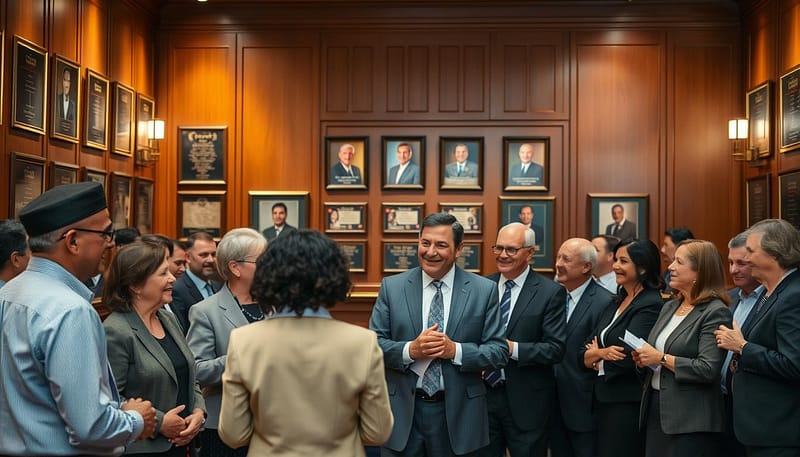
D. Keedy Campbell was a pioneer in organizing. He was the first president of the USTA Missouri Valley section. His work laid the groundwork for tennis in the area.
Campbell’s leadership set the stage for growth. He worked behind the scenes, not in the spotlight. His legacy is about building from scratch.
Harris M. Coggeshall was a talented player. He was a state champion and national doubles finalist. Yet, his name is not well-known today.
Coggeshall’s competitive spirit burned brightly. But history moved on. His story shows greatness beyond records.
Marvin P. Richmond had a big impact on tennis. He was president of the USTA and USTA Missouri Valley. Richmond guided the sport through key times.
His work was deep but unseen. He focused on policy and growth. This ensured the sport’s future for many players.
T.H. “Curly” Vaughan was another leader. He also led the USTA Missouri Valley section. Vaughan was honored with the Marlboro Award.
His career was marked by service, not fame. Vaughan, like others, chose to serve over seeking glory. Their stories share a common theme of selfless work.
Each inductee played a key role. They were organizers, champions, and administrators. Their work laid the foundation for famous names.
Knowing who they are sheds light on their contributions. It changes how we see hall of fame legacies. These quiet contributors deserve recognition.
Their Quiet Impact
While we often focus on big wins, the real heart of tennis beats in community parks and local clubs. The Hall of Fame honors not just winners. It celebrates those who built the sport from scratch.
These inductees didn’t seek fame. They measured success by the courts they maintained, lessons they taught, and young players they inspired. Their legacy lives on through programs and people.
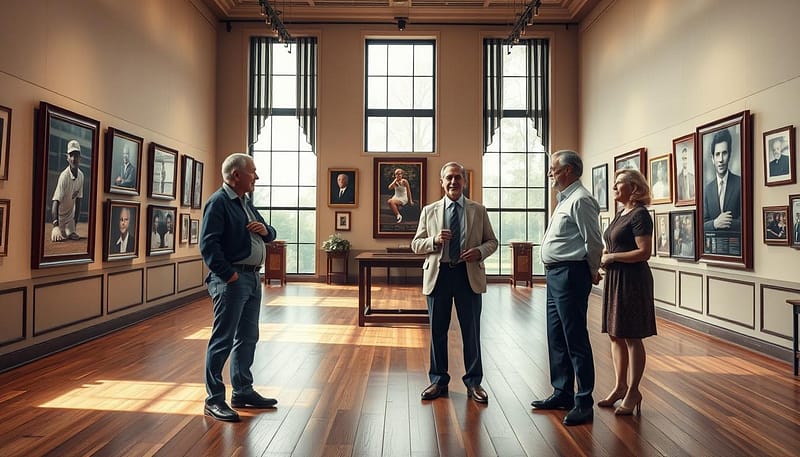
Francis Baxter is a great example. He gave decades of his life to teaching and coaching in Alabama. He was named NAIA Coach of the Year. But his real impact was the daily guidance he gave, shaping students both on and off the court.
His story reminds us of the power of a dedicated mentor. It’s like the story of a teacher’s lasting influence shared here.
Earl H. Buchholz Sr. was a hero for youth tennis in Sedalia, Missouri. He started teaching kids when they were just small enough to hold a racket. He focused on the basics and fun, sparking a lifelong love for tennis.
Bill Price used table tennis to improve hand-eye coordination and reflexes. This method helped create champions like Wimbledon winner Chuck McKinley. Price believed in developing great players, not just discovering them.
Len Prosser’s record is impressive—55 national championships. But his greatest work was his silent giving. He founded the Missouri Valley Tennis Patrons Association, providing free lessons to juniors. His entry into the Hall of Fame shows that greatness and generosity can go hand in hand.
Charles D. Cunningham’s world was La Fortune Park Tennis Center in Tulsa. He managed it for years, giving thousands of lessons and organizing leagues. He was the heart of a community hub, leaving a lasting impact on countless lives.
| Inductee | Primary Role | Lasting Contribution |
|---|---|---|
| Francis Baxter | Teacher & Coach | Decades of donated service and NAIA coaching excellence that shaped student-athletes. |
| Earl H. Buchholz Sr. | Youth Tennis Pioneer | Foundational instruction for Sedalia’s youth, creating early pathways into the sport. |
| Bill Price | Innovative Coach | Champion development via unique table tennis training methods. |
| Len Prosser | Champion & Philanthropist | 55 national titles and founding a free junior lesson association. |
| Charles D. Cunningham | Facility Manager & Organizer | Lifelong management of a public tennis center, providing access to thousands. |
The table above shows the wide reach of their quiet impact. Each person played a key role in tennis’s growth. They were builders, teachers, and organizers.
This recognition changes what it means to be in a Hall of Fame. It values lasting contributions over loud achievements. The sport’s growth in many American towns is their lasting legacy.
Stories From Teammates and Coaches
True recognition in sports often lives in the stories told long after the final point. Teammates, students, and rivals remember the character behind the champion.
Gerald Perry earned the title “Mr. Tennis of the Ozarks.” Peers called him a champion and a gentleman. He was seen as an excellent role model, his ambassadorial work leaving a deep mark.
Coach Bill Price built success on a unique foundation. He had an understanding with parents for no interference. This pact fostered trust and allowed his coaching philosophy to flourish.
The Ward Parker family’s achievements spanned generations and borders. Tom McSpadden taught students a vital lesson. He reminded them, “it’s not important to win but it is important to try to win.” Clarence Dyer’s winning record secured awards, but his method inspired players.
This kind of lasting community impact finds a modern echo in stories like that of Harper Creek’s Larry Quick. His three-decade coaching tenure shows how personal dedication builds legacy. The final recognition for any unsung hero is the respect of those they guided.